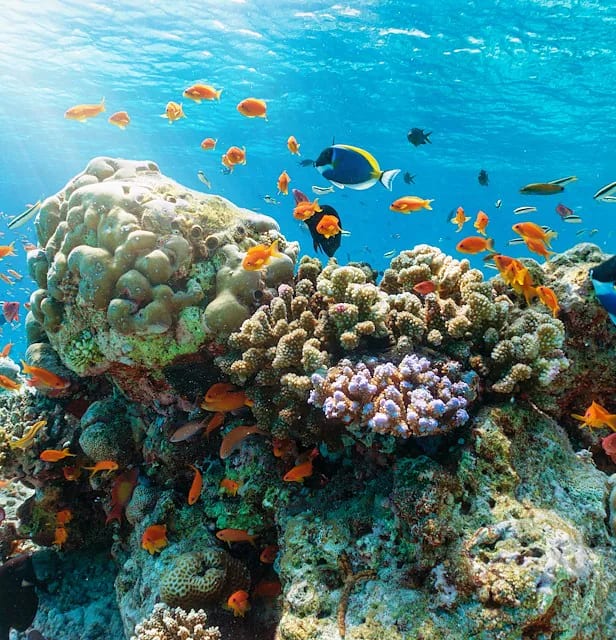
The Belize Barrier Reef is the largest barrier reef in the Western Hemisphere, stretching nearly 300 kilometers along the country's Caribbean coast. Designated a UNESCO World Heritage Site in 1996, it harbors an estimated 1,400 species of marine life, three of the four coral atolls in the Western Hemisphere, and the [iconic Great Blue Hole](Great Blue Hole). For travelers in 2026, it remains one of the few major reef systems where you can still float above unbroken stands of elkhorn coral, watch nurse sharks circle in sunlit shallows, and surface to find no other boat in sight.
We at Itz'ana sit directly across from this living monument on the [Placencia peninsula](Placencia peninsula), and the reef informs nearly everything we recommend, from [morning snorkel charters](snorkel charters) to the seafood our chefs serve at sunset. This guide distills what affluent, curious travelers most need to know before they go: what the reef actually is, where to experience it, when to visit, and how to do so responsibly.
What Is the Belize Barrier Reef?
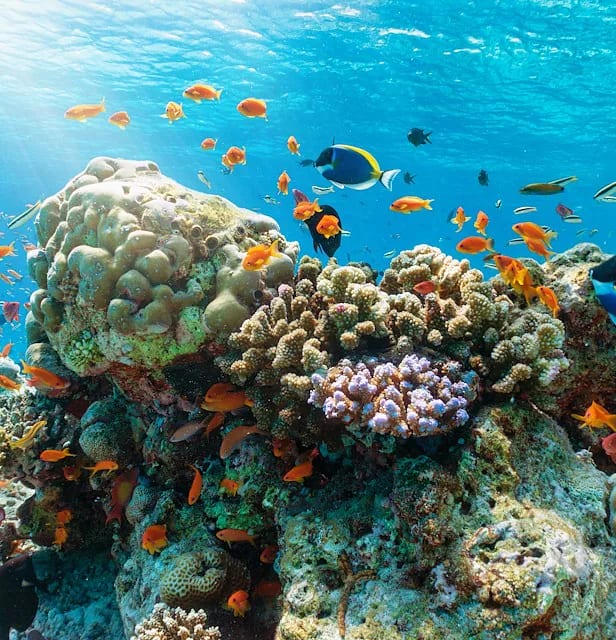
The Belize Barrier Reef Reserve System is a chain of seven protected marine areas that together form the northern half of the Mesoamerican Barrier Reef System, second in size globally only to Australia's Great Barrier Reef. According to UNESCO, the system is "the largest reef complex in the Atlantic-Caribbean region" and was inscribed in 1996 for its outstanding universal value as a habitat for threatened species including the West Indian manatee, marine turtles, and the American crocodile.
The reef sits roughly 10 to 25 miles offshore, with a shallow lagoon between it and the mainland dotted by more than 450 cayes (pronounced "keys"). Beyond the main reef wall, three oceanic atolls, Turneffe, Lighthouse, and Glover's, rise from depths of more than 1,000 feet.
Why It Matters in 2026
After being placed on UNESCO's "World Heritage in Danger" list in 2009 due to mangrove clearing and offshore oil concessions, the reef was removed from the danger list in 2018 following sweeping conservation reforms, including a nationwide ban on offshore oil exploration — the first of its kind globally. Belize remains a model for reef governance, but warming seas and coral bleaching continue to make low-impact travel essential.
The Reef's Headline Destinations
| Site | Best For | Depth Range | Skill Level | Distance from Placencia |
|---|---|---|---|---|
| [Hol Chan Marine Reserve](Hol Chan Marine Reserve) | Snorkeling, nurse sharks, rays | 6–30 ft | All levels | ~3 hrs (north) |
| The Great Blue Hole | Bucket-list diving | 0–410 ft | Advanced divers | ~2 hr boat from Lighthouse |
| Silk Cayes Marine Reserve | Snorkeling, whale sharks (seasonal) | 10–40 ft | All levels | ~45 min |
| Laughing Bird Caye | Day trips, picnic snorkeling | 5–25 ft | Beginner | ~30 min |
| Glover's Reef Atoll | Remote diving, sport fishing | 20–130 ft | Intermediate+ | ~2 hrs |
| Gladden Spit | Whale shark encounters (Mar–Jun) | 60–100 ft | Advanced | ~1 hr |
Hol Chan and the North
Most first-time snorkelers know the reef through Hol Chan Marine Reserve and Shark Ray Alley near Ambergris Caye, a logical starting point if you're staying in San Pedro. The waters are warm, the visibility reliable, and the wildlife encounters near-guaranteed. (For travelers building a wider itinerary, our friends at Kaana make a strong inland base for pairing reef days with Maya ruin exploration in the Cayo District.)
Placencia and the Southern Cayes
From Itz'ana's dock on the Placencia peninsula, the southern reef is closer, quieter, and arguably more spectacular. Silk Cayes, Laughing Bird Caye (a UNESCO-designated site), and Gladden Spit, where whale sharks congregate around the full moons of March through June, are all within a short boat ride. The southern sites see a fraction of the visitors of Ambergris Caye, which translates to healthier coral and quieter encounters.
The Great Blue Hole
The 1,000-foot-wide marine sinkhole made famous by Jacques Cousteau is best reached as a full-day dive expedition from Lighthouse Reef. It's a pilgrimage dive, atmospheric, dark, and decorated with massive stalactites at 130 feet, but it isn't the reef's most biodiverse experience. We recommend pairing it with shallower dives at Half Moon Caye Wall on the same trip.
Snorkeling vs. Diving: Which Suits You?
The Belize Barrier Reef is one of the few world-class reef systems where snorkelers and divers see comparably stunning marine life, because so much of the action happens in shallow water along the reef crest.
- Choose snorkeling if: you want maximum time in the water with minimal training, you're traveling with children, or you're chasing rays, turtles, and reef sharks in 10–25 feet of water.
- Choose diving if: you're certified (or willing to certify on-site), you want to explore walls, swim-throughs, and the Blue Hole, or you're hoping for larger pelagic encounters at depth.
Many guests at Itz'ana do both in a single stay. A morning snorkel at Laughing Bird followed by an afternoon two-tank dive at Glover's is a realistic, and unforgettable, day.
When to Visit
The reef is accessible year-round, but conditions vary meaningfully by season.
| Season | Months | Conditions | Highlights |
|---|---|---|---|
| Peak dry | Feb–May | Calm seas, 80–100 ft visibility | Whale sharks at Gladden Spit (Mar–Jun) |
| Early summer | Jun–Jul | Warm water, occasional showers | Coral spawning events |
| Green season | Aug–Oct | Higher humidity, hurricane window | Fewer crowds, lush mainland |
| Cool dry | Nov–Jan | Breezier, comfortable temps | Excellent for villa stays, holidays |
Per NOAA's Caribbean hurricane data, September is statistically the most active month — though direct hits on Belize are historically infrequent. Most operators offer flexible rebooking through this window.
Responsible Reef Travel
Reef-safe sunscreen (non-nano zinc oxide, free of oxybenzone and octinoxate) is now required by law at many Belizean marine reserves. The Belize Audubon Society and the Wildlife Conservation Society's Belize program both publish guidance on operator standards and reef etiquette. A few practical commitments we ask of our own guests:
- Never touch or stand on coral — even "dead-looking" surfaces are often regenerating.
- Maintain neutral buoyancy and a safe distance from marine life; chasing or cornering is harmful even when it looks harmless. If you are choosing to plan your own activities:
- Choose operators that moor at fixed buoys rather than anchoring.
- Pay your park fees in cash at the dock, they fund ranger patrols directly.
Planning Your Reef-Centered Itinerary
At Itz'ana we can help you arrange personalized experiences, a well-paced week from Itz'ana might look like this:
- Day 1: Arrival, sunset cruise in the Placencia Lagoon.
- Day 2: Day Trip expedition to our private island, Coral Caye.
- Day 3: Monkey River Tour.
- Day 4: Inland reset, Southern Maya temple and Ixcao Farms.
- Day 5: Inner Reef fishing.
- Day 6: Island hopping tour.
- Day 7: Spa morning, slow lunch, and a final reef sunset cruise.
Couples often add a private boat; families gravitate toward the gentler northern cayes for kid-friendly snorkeling and beach picnics.
Where to Stay
Proximity to the southern reef is one of Placencia's quiet advantages. Itz'ana's hotel suites and beachfront villas put guests within minutes of the marina, where our concierge team coordinates private charters with vetted captains, divemasters, and naturalist guides. Suites face the Caribbean directly, so the reef is the first thing you see in the morning and the last thing before bed.