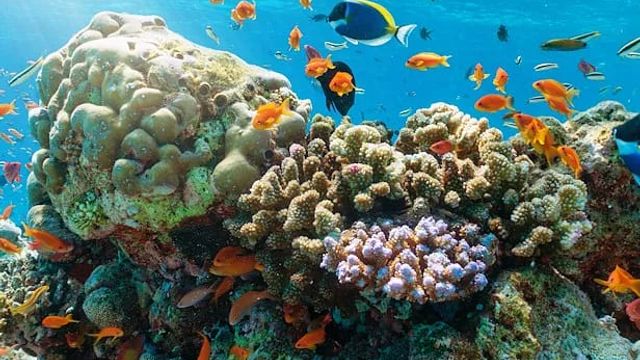
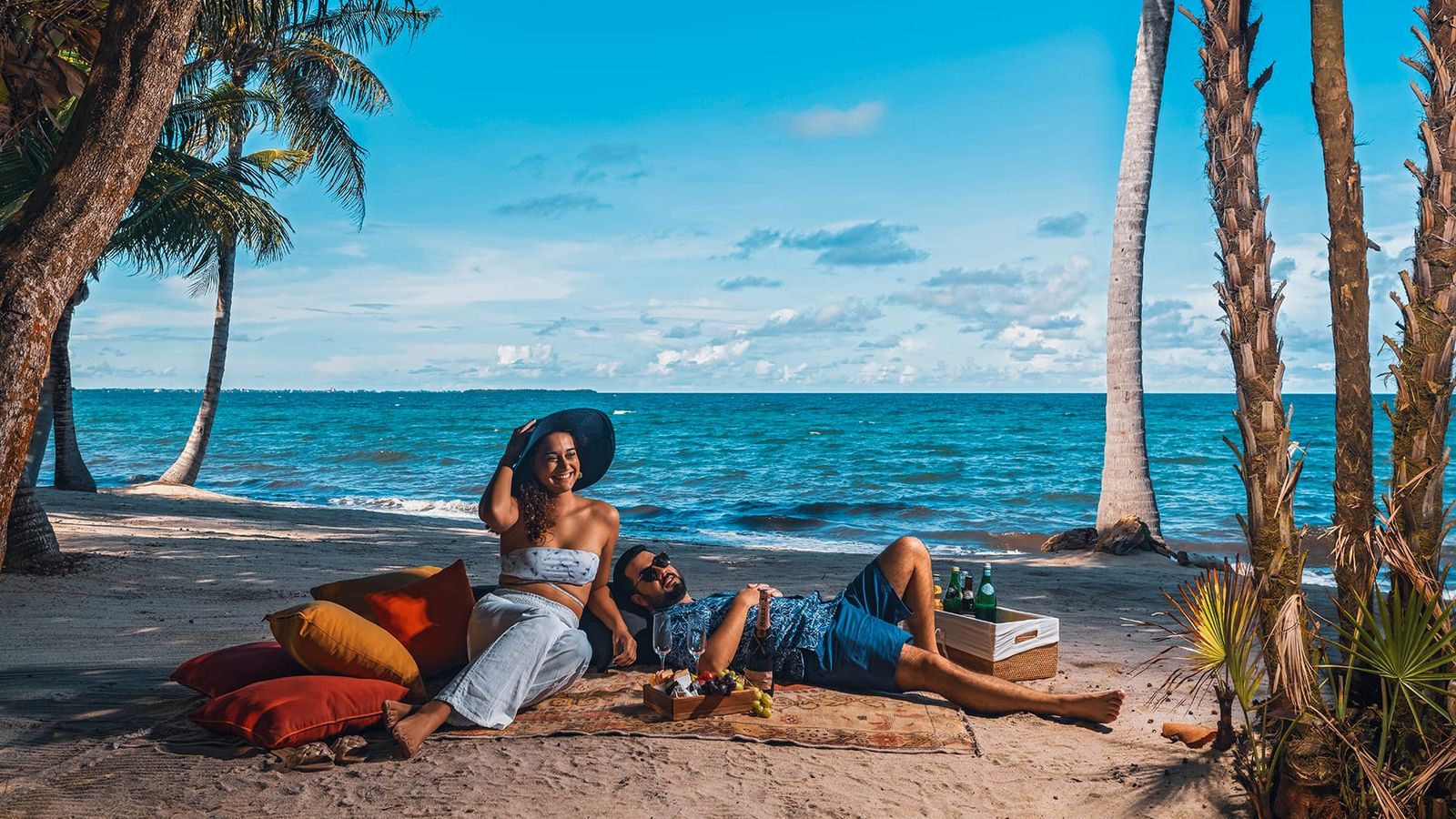
Why Travel Insiders Are Skipping the Crowded Caribbean for Belize
For decades, the Caribbean's most famous islands have been the default answer to "Where should we go this winter?" St. Barts, Turks and Caicos, the Caymans, Barbados — these names have become shorthand for tropical luxury. But somewhere between the cruise ship influx, the inflated rates, and the increasingly Instagram-uniform beach clubs, a quiet shift has been underway. Travel advisors, well-traveled couples, and the editors who shape luxury itineraries are looking west — across the water, past Cancún, to a country most travelers still mispronounce on the first try.
They're going to Belize.
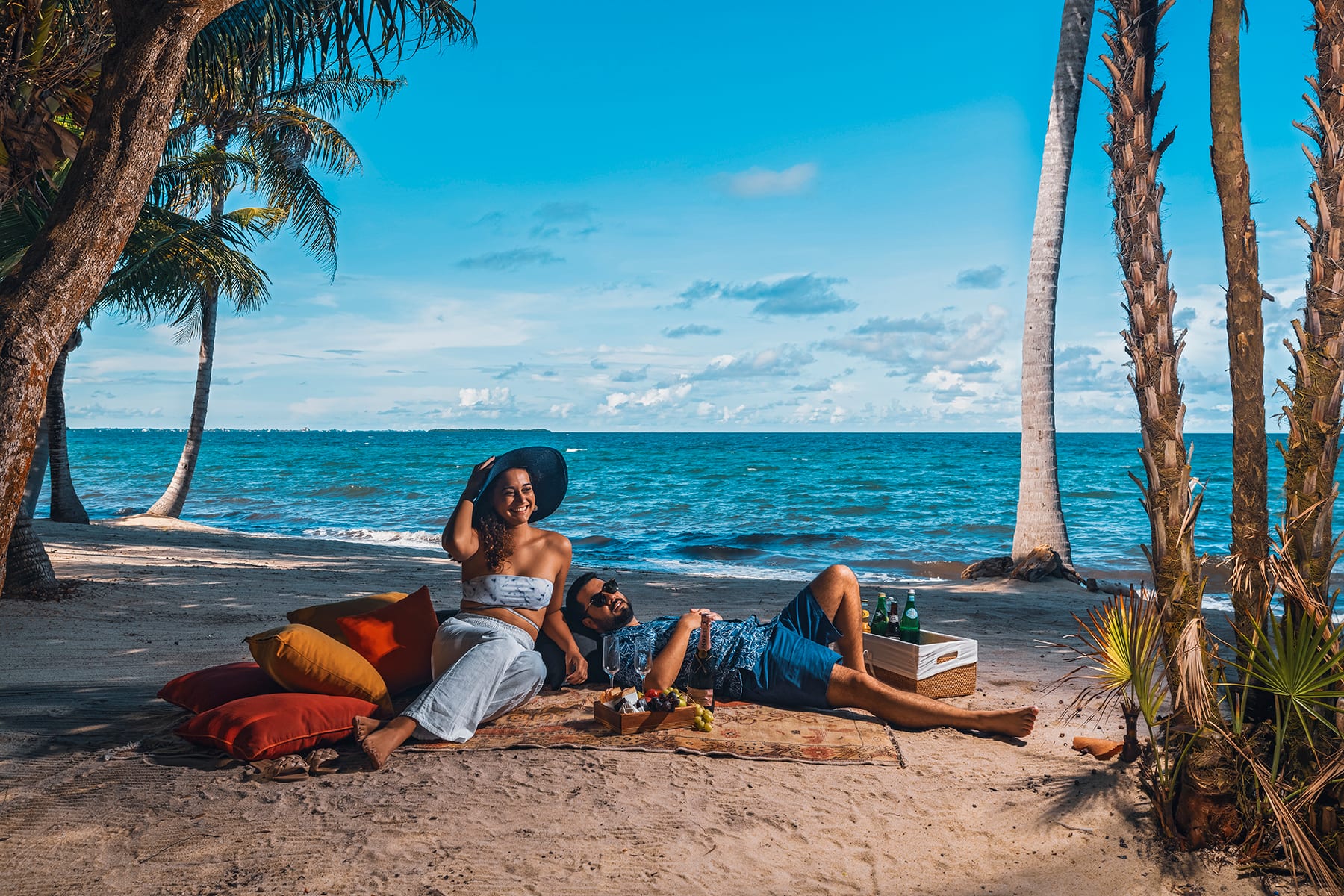
The Caribbean Has a Crowding Problem
The numbers tell the story plainly. The Caribbean welcomed a record 32.2 million stay-over visitors in 2024, with cruise arrivals pushing total visitation above 34 million. Aruba, the Bahamas, and the Dominican Republic now regularly host more tourists annually than their full-time populations several times over. In high season, popular beaches in Providenciales or Grand Cayman can feel less like a private escape and more like a well-dressed airport terminal.
Luxury, by definition, depends on scarcity — of people, of noise, of sameness. And when a destination's most photographed beach is booked solid eighteen months out, that scarcity erodes.
This is the conversation happening in travel circles right now: where do you go when the "best" Caribbean islands no longer feel like a discovery?
Why Belize Is the Answer Insiders Keep Returning To
Belize is, technically, a Caribbean nation — it sits on the western edge of the Caribbean Sea, shares the world's second-largest barrier reef with the region, and operates on Caribbean time in every sense that matters. But it's almost never lumped in with the islands, and that geographic quirk is precisely why it has remained an under-the-radar Caribbean destination.
A few facts worth knowing:
- Belize received roughly 500,000 overnight visitors in its most recent reporting year — less than a fifth of what Jamaica receives.
- English is the official language, making it the only English-speaking country in Central America.
- It's a two-hour flight from Houston, Miami, or Dallas — closer than many traditional Caribbean hubs.
- The Belize Barrier Reef is a UNESCO World Heritage Site, with visibility and biodiversity that rival anywhere on Earth.
What this adds up to, in practical terms, is a country with the infrastructure to host discerning travelers but without the saturation that has hollowed out so many island experiences.
Belize vs. The Traditional Caribbean: A Side-by-Side Look
| Factor | Belize (Placencia) | Turks & Caicos | Cayman Islands | St. Barts |
|---|---|---|---|---|
| Annual visitors | ~500,000 | ~1.9 million | ~2.8 million (incl. cruise) | ~300,000 |
| Avg. luxury room rate (high season) | $650–$1,400 | $1,500–$3,500 | $1,200–$2,800 | $2,000–$5,000+ |
| Flight time from US East Coast | 3–4 hrs | 3 hrs | 3.5 hrs | 5+ hrs (connection) |
| Barrier reef access | Yes (second-largest in world) | Limited | Limited | No |
| Inland adventure (jungle, Maya ruins) | Yes | No | No | No |
| Crowd density on top beaches | Low | High | High | Moderate-High |
| English-speaking | Yes | Yes | Yes | No (French) |
The differentiator isn't just price or quiet — it's range. In a single trip to Belize, a traveler can dive the Blue Hole in the morning, explore a 1,300-year-old Maya temple in the afternoon, and return to a beachfront villa by sunset. No other Caribbean destination offers that combination of reef, ruin, and rainforest within driving distance of a single property.
The Placencia Peninsula: Where Belize Quietly Got Sophisticated
If Belize is the country travel insiders are watching, the Placencia Peninsula is the address they're booking. A 16-mile finger of sand along the southern coast, Placencia has the soft white beaches the wider Caribbean is famous for — without the chain resorts, the duty-free strip malls, or the cruise terminals.
We at Itz'ana built our resort here for exactly this reason. The peninsula offers direct access to the Barrier Reef and dozens of private cayes, while the jungle interior and Maya sites of Toledo and Cayo are an easy excursion inland. Our hotel suites and private villas were designed around a Belizean architectural vocabulary — local hardwoods, lime-washed walls, deep verandas, and the kind of indoor-outdoor flow you only get from a property that grew from its place rather than being imported onto it.
What Sets the Experience Apart
Three things consistently come up when guests describe why Belize, and Placencia specifically, exceeded expectations:
1. Authentic culture, intact. Belize is a genuine cultural mosaic — Garifuna, Maya, Creole, Mestizo, and Mennonite communities all maintain distinct traditions. Drumming circles, cacao ceremonies, and family-run roadside kitchens aren't curated tourist performances; they're the texture of everyday life.
2. A food scene that surprises sophisticated palates. Belizean cuisine pulls from Mesoamerican, Caribbean, and West African roots. At Itz'ana, our chefs work with local fishermen, cacao growers, and farmers across the Stann Creek district. (Our culinary team has written more about this in A Taste of Belize: Inside the Cuisine Shaping Itz'ana's Restaurants.)
3. Experiences with substance. Snorkeling at Laughing Bird Caye, fly-fishing the permit flats, ATV rides through citrus groves, cave tubing into the underworld of the ancient Maya — these are the kinds of curated experiences that give a trip narrative weight long after you've left.
What "Under the Radar" Actually Means in 2026
Let's be honest: "under-the-radar" is a phrase that risks becoming meaningless. Every destination wants the label. What it should mean — and what it still means in Belize — is this:
- You can walk a mile of beach without seeing another person.
- Reservations at the best restaurants are made the day before, not the season before.
- Local guides remember your name and ask about your family the next visit.
- The country isn't being remade to look like somewhere else.
That last point matters most. The pressure on the traditional Caribbean to homogenize — same beach club concepts, same imported menus, same swim-up bars — has been enormous. Belize has largely resisted it, partly by accident of geography and partly by deliberate choice. Development here is small-scale and locally rooted, with boutique properties like ours operating at a fraction of the room count of a typical Caribbean mega-resort.
Who Belize Is For (and Who It Isn't)
Belize is not the right answer for every traveler. If your ideal vacation is a 600-room all-inclusive with seven pools and an in-house casino, this isn't it. If you want to be one of three couples on a stretch of beach, eating fish that was caught that morning by someone you'll meet at dinner, and choosing between a reef dive and a jungle hike tomorrow — Belize delivers in a way few places still can.
The travelers who fall hardest for Belize tend to share a few qualities: they've already done the well-known islands, they value privacy and authenticity over status, and they're comfortable in a place that's still being discovered rather than one that's been thoroughly catalogued.
For those travelers, the question isn't whether to come — it's why they waited this long.