
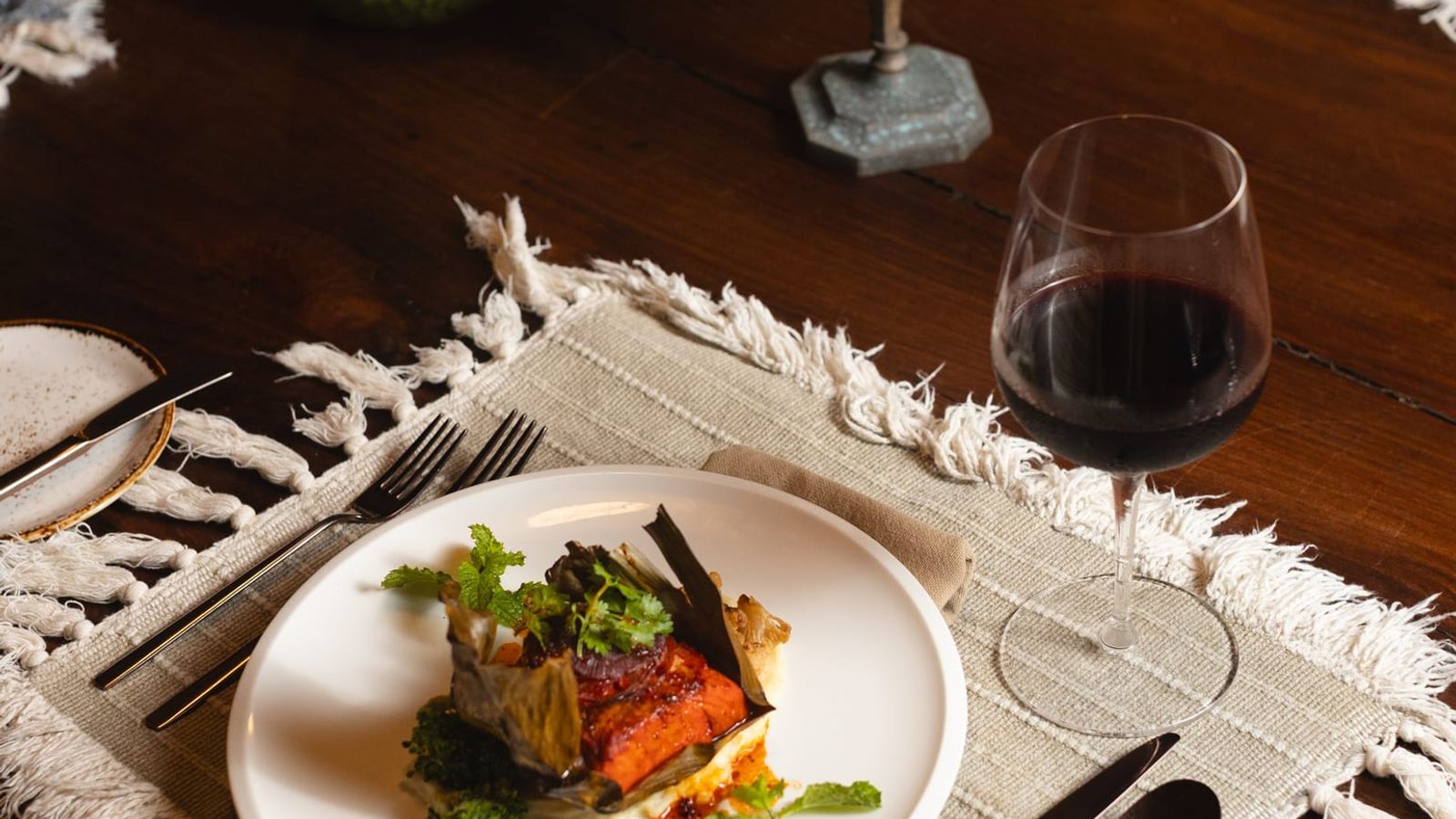
Belize doesn't shout about its food. Unlike the well-trodden culinary trails of Mexico or Jamaica, Belizean cuisine has remained gloriously under the radar — a slow-cooked secret traded between fishermen, abuelas, and the Garifuna drummers who line the Placencia shore at sunset. It's a cuisine built from the convergence of Maya, Mestizo, Creole, Garifuna, East Indian, and Mennonite traditions, all seasoned by the Caribbean and grounded in the jungle.
At Itzana, we think of the kitchen as the truest expression of place. Every plate that leaves our on-property dining rooms is an invitation into the layered, generous, and surprisingly refined world of Belizean food — a cuisine that, in our view, deserves a seat at the same table as the most celebrated in the Caribbean.
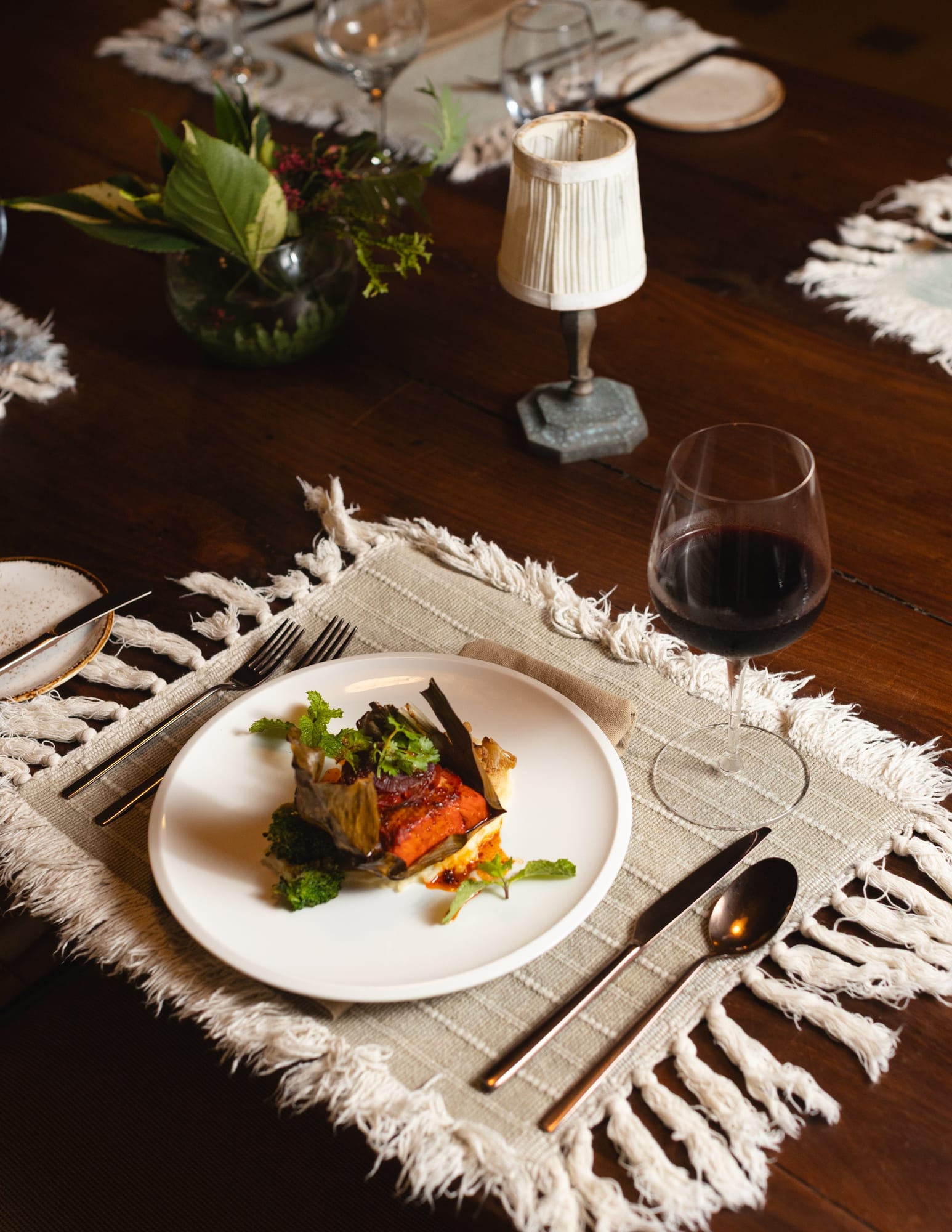
The Cultural DNA of Belizean Cuisine
To understand why Belizean food tastes the way it does, you have to understand who has cooked it. The country sits where the Caribbean Sea meets Central America, and that geography is mirrored on every plate.
- Maya influences contribute corn, cacao, recado rojo (a brick-red achiote paste), and the technique of slow-roasting meats in underground pits.
- Creole traditions, born of African and British colonial heritage, bring stew chicken, rice and beans cooked in coconut milk, and the unmistakable warmth of allspice.
- Garifuna communities, descendants of West African and Indigenous Caribbean peoples, contribute hudut (a fish stew with mashed plantain) and sere, a coconut-forward broth.
- Mestizo cooks introduced escabeche, salbutes, and panades — fried corn pockets stuffed with fish or beans.
- East Indian and Mennonite communities round out the picture with curries, fresh dairy, and farm produce that supplies much of the country.
It's this layered identity, which we explore further in our deeper look at Belizean culture and local life, that makes the cuisine feel both familiar and entirely its own.
The Building Blocks: Ingredients That Define a Belizean Plate
From the Reef
Itzana sits within reach of the Belize Barrier Reef — the second-largest reef system in the world and a UNESCO World Heritage site. Our chefs source whole snapper, lionfish, conch, lobster (in season), and Caribbean spiny grouper directly from Placencia fishermen, often the same day they're hauled in.
From the Jungle and Farm
Cacao from the Toledo District, vanilla from the Maya Mountains, habanero and the legendary Marie Sharp's hot sauce, soursop, breadfruit, allspice, plantain, callaloo, and craboo (a wild yellow fruit) all appear on our menus when in season. The country's small scale means farm-to-table isn't a marketing phrase here — it's simply how kitchens have always worked.
The Pantry Staples
| Ingredient | Role in Belizean Cooking |
|---|---|
| Recado rojo | Spice paste for roasted meats, fish, and stews |
| Coconut milk | Base for rice, fish stews, and Garifuna sere |
| Habanero | Heat in salsas, ceviche, and Marie Sharp's sauces |
| Plantain | Fried, mashed (hudut), or boiled with stews |
| Cassava | Garifuna bread, fritters, and side dishes |
| Achiote | Earthy color and flavor in traditional dishes |
The Dishes Every Visitor Should Try
Rice and Beans (Not Beans and Rice)
In Belize, the order matters. Rice and beans are cooked together in coconut milk, typically served with stew chicken, fried plantain, and potato salad. Beans and rice, by contrast, are served separately — beans stewed, rice white. Knowing the difference is your first credential as a thoughtful visitor.
Hudut
A Garifuna masterpiece: fish (usually snapper) simmered in a fragrant coconut-and-basil broth, served alongside fufu — pounded green and ripe plantains. It's both delicate and deeply soulful, the kind of dish that defines a culture.
Conch Ceviche
Diced fresh conch tossed with lime, habanero, cilantro, tomato, and onion, eaten with crisp tortilla chips and a cold Belikin beer. Conch season runs October through June, and during those months, it's a near-mandatory order.
Cochinita Pibil and Slow-Roasted Pork
A Maya-Mestizo legacy: pork marinated in recado rojo and sour orange, traditionally wrapped in banana leaves and slow-cooked in a pib (underground oven). The flavor is smoky, citric, and intensely savory.
Fry Jacks
Pillowy, deep-fried dough served at breakfast with refried beans, eggs, and stewed meats. The Belizean answer to the croissant, and arguably more satisfying.
Chocolate
Cacao was first domesticated by the ancient Maya, and Belize's southern Toledo District remains one of the most important fine-flavor cacao regions in the world. Single-origin Belizean chocolate has won international awards and now appears in everything from our pastry kitchen to bespoke cocktails.
How Itzana's Restaurants Interpret Belizean Cuisine
Our culinary philosophy is simple: honor the source, respect the technique, and let the ingredient speak. Itzana's three on-property restaurants each offer a different window onto Belizean food.
The Restaurant at Itz'ana
Our flagship dining room takes the classics — stew chicken, whole grilled snapper, slow-braised oxtail — and treats them with the precision typically reserved for European cuisine. The wine list, anchored by what may be Central America's most extensive cellar, was curated to complement the heat, smoke, and acidity of Belizean cooking.
The Rum Room
Belize is a rum country. Our Rum Room features more than 400 expressions from across the Caribbean and Central America, alongside small plates designed for pairing: conch fritters, plantain chips with smoked fish dip, escabeche broth shots. It's where guests come to understand rum the way they might Burgundy — as a regional, terroir-driven product.
The Beach Club
For long, salt-air lunches, the Beach Club serves grilled-to-order reef fish, fresh-caught spiny lobster when seasonally available, citrus-marinated ceviches, and lighter fare designed for sun-warmed afternoons. It's the restaurant most guests return to, often daily.
Beyond the Resort: The Wider Placencia and Ambergris Caye Food Scene
While our kitchens offer a polished introduction, we always encourage guests to explore. Placencia village, just minutes from Itzana, hosts beachside grills, Garifuna home kitchens, and the famed annual Lobsterfest each June. Travelers extending their journey north to Ambergris Caye restaurants will find a more cosmopolitan scene — wood-fired pizzas alongside lionfish tacos, beachfront ceviche bars, and chef-driven concepts in San Pedro.
For guests interested in cacao, we arrange day visits to working cacao farms in the Toledo District, including a guided tasting that traces bean to bar. Reef-to-table fishing excursions, which let you catch your dinner and have our chefs prepare it that evening, are among our most-requested experiences.
Why Food Lovers Are Choosing Belize
The Caribbean's most-visited islands have, in many cases, become victims of their own popularity — homogenized menus, imported produce, all-inclusive buffets. Belize remains a place where the cuisine is still cooked by the people whose grandmothers invented it, with ingredients pulled from the reef and jungle that very morning. It's a quieter, more textured kind of luxury — the kind we believe defines the next era of Caribbean travel.
For travelers weighing destinations, comparisons like Belize vs. Turks and Caicos: Which Caribbean Escape Is Right for You and Why Travel Insiders Are Skipping the Crowded Caribbean for Belize lay out the case in detail. But the simplest argument is the one made on the plate.