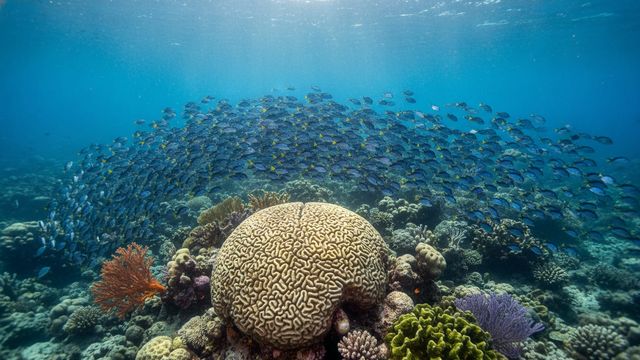
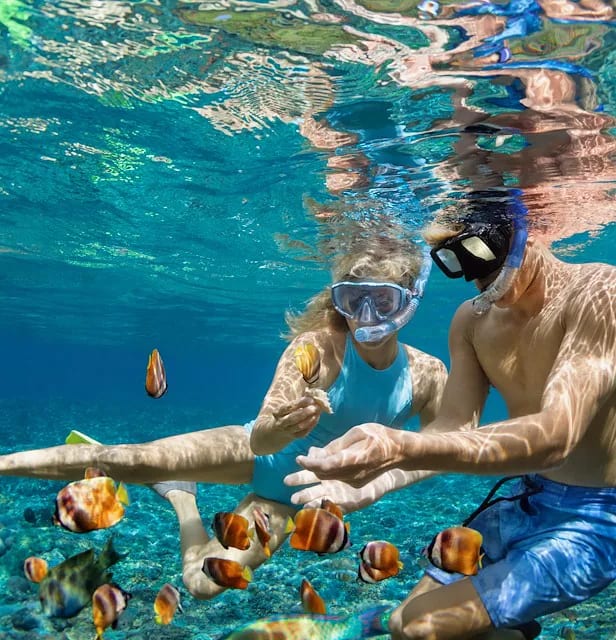
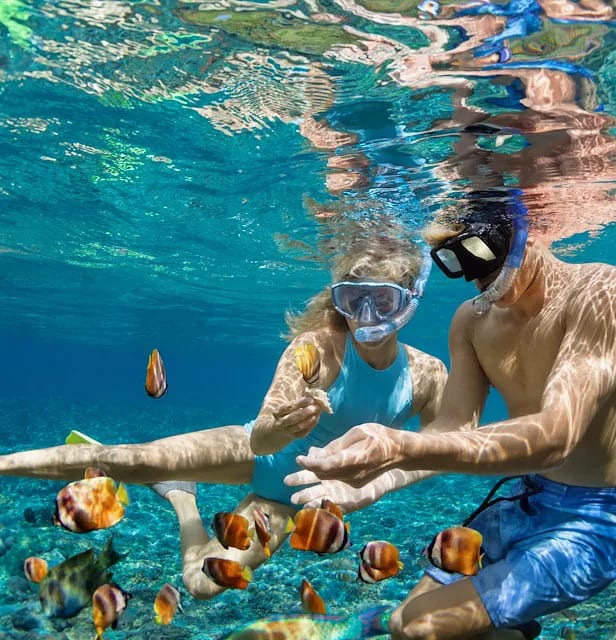
If you're choosing between snorkeling and diving the Belize Barrier Reef, here's the short answer: snorkeling is the right call for most travelers — the reef's shallow lagoons, gin-clear visibility, and proximity to shore mean you can see turtles, rays, and vibrant coral with nothing more than a mask and fins. Diving, however, unlocks a different world entirely, wall drop-offs, reef sharks, and the deeper architecture of the world's second-largest barrier reef system.
We at Itz'ana help guests make this call almost daily, and the decision usually comes down to four factors: certification, time, comfort in the water, and what specific marine encounters you're hoping for. This guide walks you through each.
The Belize Barrier Reef in Brief
The Belize Barrier Reef Reserve System is a UNESCO World Heritage Site stretching roughly 190 miles along the country's coast, the largest reef in the Northern Hemisphere and second only to Australia's Great Barrier Reef globally (UNESCO). It hosts more than 500 species of fish, 70 species of hard coral, and habitats for endangered manatees, hawksbill turtles, and American crocodiles.
From Itz'ana's beachfront on the [Placencia peninsula](Placencia peninsula), the reef sits roughly 18 miles offshore, close enough for a half-day excursion, far enough that the water immediately above the reef remains uncrowded compared to Caribbean destinations like Cozumel or Grand Cayman.
Snorkeling vs Diving: The Quick Comparison
| Factor | Snorkeling | Diving |
|---|---|---|
| Certification required | None | PADI Open Water (or Discover Scuba for intro) |
| Typical depth | 3–15 ft | 30–130 ft |
| Time commitment | Half-day | Full-day for most sites |
| Cost per excursion | $95–$175 USD | $185–$395 USD |
| Best for families | Yes (ages 5+) | Limited (ages 10+ certified) |
| Top sites from Placencia | Laughing Bird Caye, Silk Cayes, Ranguana | Turneffe Atoll, Glover's Reef, Blue Hole (advanced) |
| Marine encounters | Turtles, rays, nurse sharks, parrotfish | Reef sharks, eagle rays, grouper, wall species |
| Physical demand | Low to moderate | Moderate to high |
When Snorkeling Wins
You want maximum reef time for minimum effort
The Belize reef's defining feature for casual visitors is how shallow the inner lagoon is. Much of the action, elkhorn coral gardens, sea turtles grazing on seagrass, schools of blue tang, happens between 5 and 15 feet of water. You don't need to descend to see it. You just need to float.
The [Silk Cayes Marine Reserve](Silk Cayes Marine Reserve) and [Laughing Bird Caye National Park](Laughing Bird Caye), both within 45 minutes of Placencia by boat, are among the Caribbean's most rewarding snorkel destinations. Laughing Bird Caye sits atop a "faro", a rare, isolated reef formation, and is itself a UNESCO-listed site.
You're traveling with children or non-swimmers
Outfitters in Placencia routinely take families with kids as young as five on guided snorkel tours, providing flotation vests and shallow-water entry points. Diving, by contrast, requires at minimum a Discover Scuba session with strict age and health prerequisites.
You only have a day or two on the water
A typical Placencia snorkel trip departs at 8 a.m. and returns by mid-afternoon, with two or three reef stops and a beach lunch on a private caye. Dive trips t often run 10–12 hours given the open-water transit.
When Diving Wins
You want to see the iconic Great Blue Hole
The 410-foot-deep Great Blue Hole, the collapsed limestone sinkhole made famous by Jacques Cousteau, is strictly a diver's domain (Belize Audubon Society). At 130 feet you reach the stalactite shelf and the chance of encountering Caribbean reef sharks circling in the blue. Snorkelers can swim above the rim, but the magic is below.
Note: the Blue Hole is most efficiently reached from northern Belize (San Pedro), so guests staying in Placencia who want to dive it typically combine it with a multi-day liveaboard or a longer charter.
You want the wall
Off Placencia, Glover's Reef Atoll and the southern end of the barrier reef offer dramatic wall dives that drop from 40 feet to thousands. This is where you'll find larger pelagics, black grouper, eagle rays, and dense sponge formations that simply don't exist in the shallows.
You're already certified — or willing to get certified here
Belize is one of the more affordable places in the Caribbean to complete PADI Open Water certification, typically a 3-to-4-day course. If you have a week and want to leave the country a certified diver, Placencia's calm waters and patient instructors make it an excellent classroom.
The Honest Middle Ground
For most first-time visitors, the answer isn't either/or. We typically recommend guests start with snorkeling on day one, Laughing Bird Caye is hard to top as an introduction, and then decide whether a dive day is worth adding. Many guests find that the snorkeling alone exceeds their expectations and they spend their second water day on a sailing or beach-cay picnic charter instead.
Placencia vs. Northern Belize: Where You Snorkel and Dive Matters
What to Pack and Expect
- Reef-safe sunscreen (mandatory in Belize's marine reserves — oxybenzone and octinoxate-containing products are banned)
- Rashguard or UPF shirt — Caribbean sun on open water is intense
- Your own mask if you're particular about fit; outfitter gear is reliable but standardized
- Motion sickness preventive if the 45–90 minute boat ride concerns you
- GoPro or waterproof phone case — visibility on calm days regularly exceeds 100 feet
Booking Through Itz'ana
Our concierge curates reef excursions with a small handful of vetted local operators, many of them second-generation Placencia fishermen turned guides who know specific coral heads and resident turtles by sight. Whether you want a private boat to the Silk Cayes, a two-tank dive, or a Discover Scuba session in our protected lagoon before committing to a full dive day, we'll match the trip to your group.